
Easy Ways to Check Any Volvo’s VIN
If you plan to purchase a used Volvo, it’s best to check everything thoroughly. Be sure to use the VIN check Volvo and get the report. Check the car’s specs, title check, auction record, recalls, warranty, and maintenance history.
What is a Volvo VIN Check?
A Volvo VIN check is a tool you can use to check the car’s specifications and records by using the Vehicle Identification Number. This step is useful for both buyers and sellers to get detailed information about the car before any transaction.
With a VIN, you can access information about the vehicle, including its specifications, title status, and various records such as auction history, accident reports, maintenance logs, odometer readings, and recall notices.
If you plan to buy a used Volvo, checking the VIN and getting the vehicle history report is important because it helps you avoid vehicles with major issues like unnoticed damage from floods.
Volvo VIN Number Structure Explained
A Volvo VIN contains 17 characters, and each section details the complete information of the vehicle, like the manufacturer’s plant location, engine, and the serial number. Here’s the VIN structure explained:
WMI (World Manufacturer Identifier)
The first three characters reveal the manufacturer and the country where the vehicle was built.
VDS (Vehicle Descriptor Section)
Characters 4 to 9 describe the model, engine type, and body style.
VIS (Vehicle Identifier Section)
Characters 10 to 17 include the serial number, manufacturing year, and plant code.
Where to Find the Volvo VIN
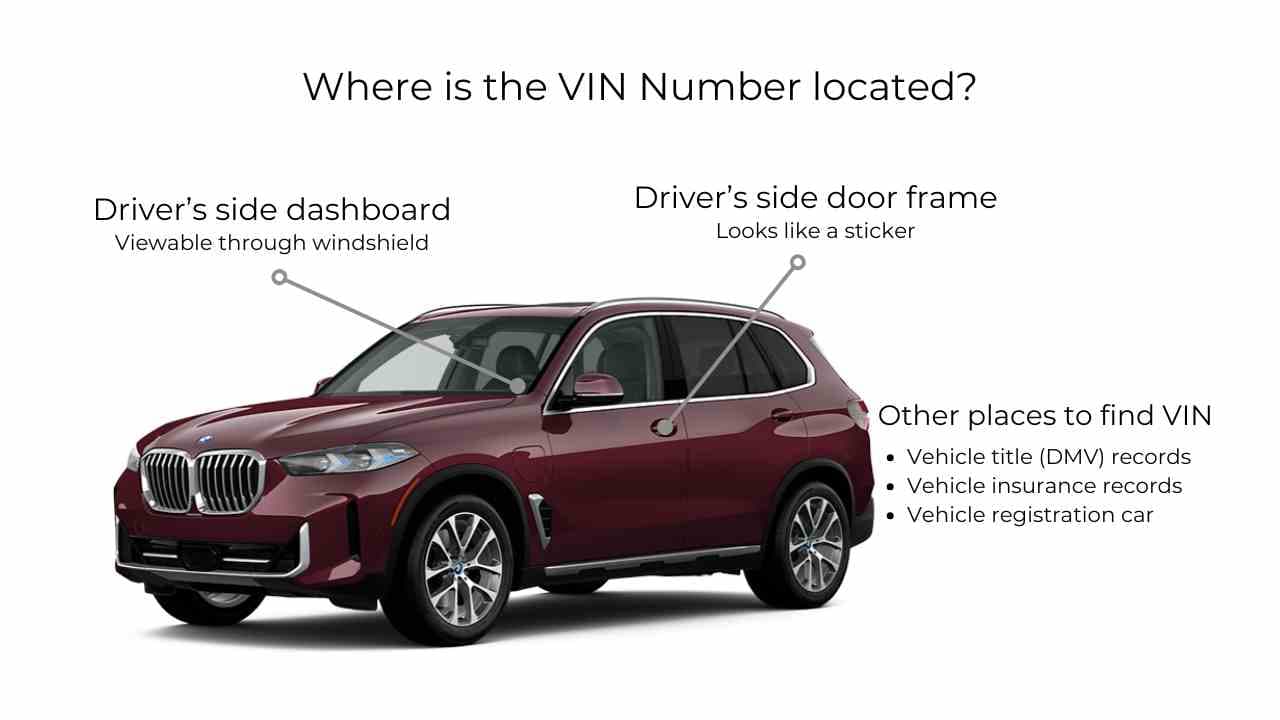
You can find the VIN in several locations on the vehicle and within its documents.
Here are the most common places:
- Driver's Side Windshield: Look at the lower-left corner of the dashboard from outside the vehicle.
- Driver's Side Door Jamb: Check the sticker on the inner door frame or door pillar.
- Engine Bay: Some models have the VIN stamped near the strut tower or printed on a metal plate.
- Digital Sources: Some models display the VIN in a mobile app or digital manual.
- Documents: The VIN appears on the registration, insurance papers, and other official records.
- Other Spots: The VIN can be found on the vehicle's paperwork, like registration, insurance cards, or the bill of sale. You may examine the registration card as well.
Why Should Every Volvo Buyer Verify the VIN?
Verifying the VIN helps ensure the vehicle matches the seller’s description. It also protects you from risks like incorrect mileage, hidden liens, or getting a vehicle that has its VIN tampered with.
For Buyers
A VIN check can help you spot signs of fraud. By checking the VIN, you can confirm if the vehicle was stolen, marked as salvaged, or involved in a major accident, as it could affect the car’s safety.
Check Title Status
Confirm whether the car has a clean title or was previously marked as salvage, rebuilt, or lemon.
Verify Odometer Accuracy
Compare mileage records to spot rollbacks or inconsistent readings, which helps you avoid odometer rolledback.
Examine Vehicle Condition
See records of accidents, damage, or major repairs that may not be visible during inspection to ensure the vehicle is safe.
How to Use the Volvo VIN Check
Decoding a Volvo VIN is not hard, but many people still make mistakes. Some try using only part of the number, which does not work. To make it easier, you can follow these steps to get it done.
- 01
Step 1: Find the VIN
To begin the process, you can find the VIN on the driver’s doorjamb and paperwork like the bill of sale. Make sure the number on the car and the number on the papers match.
- 02
Step 2: Enter the VIN in the Form
After you find the VIN, click on the form above and click on the button to submit the form.
- 03
Step 3: View the Results
Wait for seconds for the system to get the data. Then, you’ll see the free result that covers the car’s specifications, MSRP, and market value. If you want more details, you can get the full vehicle report by proceeding to payment.
Free Volvo VIN Decoder Tool
The free Volvo VIN Decoder tool helps you ensure that the car matches your needs and budget, where you can examine the car’s specifications, MSRP, and the car’s market value from different perspectives to check the most fitting price.
Complete Specifications
A free Volvo VIN check provides essential vehicle specifications, including model details, engine type and capacity, seating layout, drivetrain, fuel type, country of origin, and other key factory information.
MSRP
This section displays the original Manufacturer’s Suggested Retail Price, helping you understand how the Volvo was priced when it was first released.
Market Value
In addition to the original MSRP, you can view estimated market values from multiple sources, making it easier to assess fair pricing whether you’re buying or selling the car.
Premium Volvo Vehicle History Report
Volvo cars can be quite complex, so knowing the past of the car helps you understand its condition before you decide to purchase the car. See what you’ll be getting in the report.
Accident History
This part shows any accidents the Volvo has had. Sometimes a seller says the damage was small, but the report can show what really happened because it uses records from police and repair shops.
Accident Severity Classification
The report tries to show if the damage was minor, moderate, or severe. The date and mileage also matter.
Repair Quality Assessment
Work from a proper Volvo service centre is usually better than a regular shop. If the same part of the car was repaired many times, that can mean deeper issues.
Airbag Deployment Records
If the airbags were used in a crash, it usually means the impact was strong. You should check if the airbags were replaced correctly because bad installation is unsafe.
Ownership History
This part highlights the past owners of the car and how long they kept it. In addition to that, you will also be informed how the vehicle was used.
Number of Previous Owners
Be informed about how long they have owned the car, the registration location, and the year of purchase. Please note that you wouldn’t get private information about the past owner’s name, contact, or address.
Lease vs Personal Ownership
Leased cars often follow service schedules but have higher mileage. Fleet cars are driven by many people and can wear out faster. A privately owned car might have better care, but it depends on the owner.
Registration History by State
A car that moves between states gets new paperwork, and it is a point where problems like odometer rollbacks can happen. Also, think about the weather. Cars from places with a lot of salt may have more rust.
Maintenance and Service Records
A well-maintained Volvo lasts a long time. A poorly maintained one can give you many headaches. This part shows how the car was taken care of.
Volvo Dealership Service History
This can show visits to official service centres. You can see if oil changes were done on time and if major services were completed.
Scheduled Maintenance Compliance
This helps you see if the owner followed the recommended maintenance plan. Big gaps in service can be a problem. Expensive parts like timing chains must be serviced on time.
Warranty Status and Expiration
Here you can see if the original warranty is still active or if the car has extended coverage. Some warranties can transfer to the next owner.
Volvo Recalls
Not all recall history is shown during the negotiation process. That is why you need a Volvo history report to see if the car was ever recalled.
Volvo Recalls Detail
Check the information on the recalled Volvo. In this section, you’ll see the dates, causes of recalls, the steps taken by the manufacturer to fix the recalls, and the status (open/closed).
Market Value and Pricing Data
This part helps you understand if the asking price is fair compared to similar Volvos.
Current Market Value Estimation
The value changes depending on the car’s history. A clean record usually means a higher price. A car with damage or title issues shouldn’t cost that high.
Trade in, Retail, and Private Sale Records
- Trade-in value is the lowest price.
- Retail is the price a dealer asks.
- Private sale is usually in the middle.
Sales and Auction History
The complete vehicle history report shows the sales and auction records to help you examine the car’s condition and see if there’s an ongoing problem.
Sales History
You can see when the car was bought or sold. If the car was sold right after repairs, it might mean the previous owner wanted to get rid of a problem.
Auction History
This part shows if the car went through an auction. You may see the date, the location, the price, and even photos showing the condition at that time.
A Report Designed for Volvo Buyers
Buying a used Volvo can be risky if you do not do a proper background search. A VIN check lets you review important information from the vehicle that might not be disclosed by the seller, or check if there’s any hidden information about the vehicle.
As one of the leading Volvo vehicle report providers, here’s what sets us apart from other similar providers.
| Feature | Carfax | Our Report | AutoCheck |
| Price | $44.99 | $19.99 | $29.99 |
| Single Report | Yes | Yes | Yes |
| Sales Listings with Photos | No | Yes | No |
| Auction Records with Photos | No | Yes | No |
| Market Value Data | Yes | Yes | Yes |
| Vehicle Specifications | Limited | Complete | Limited |
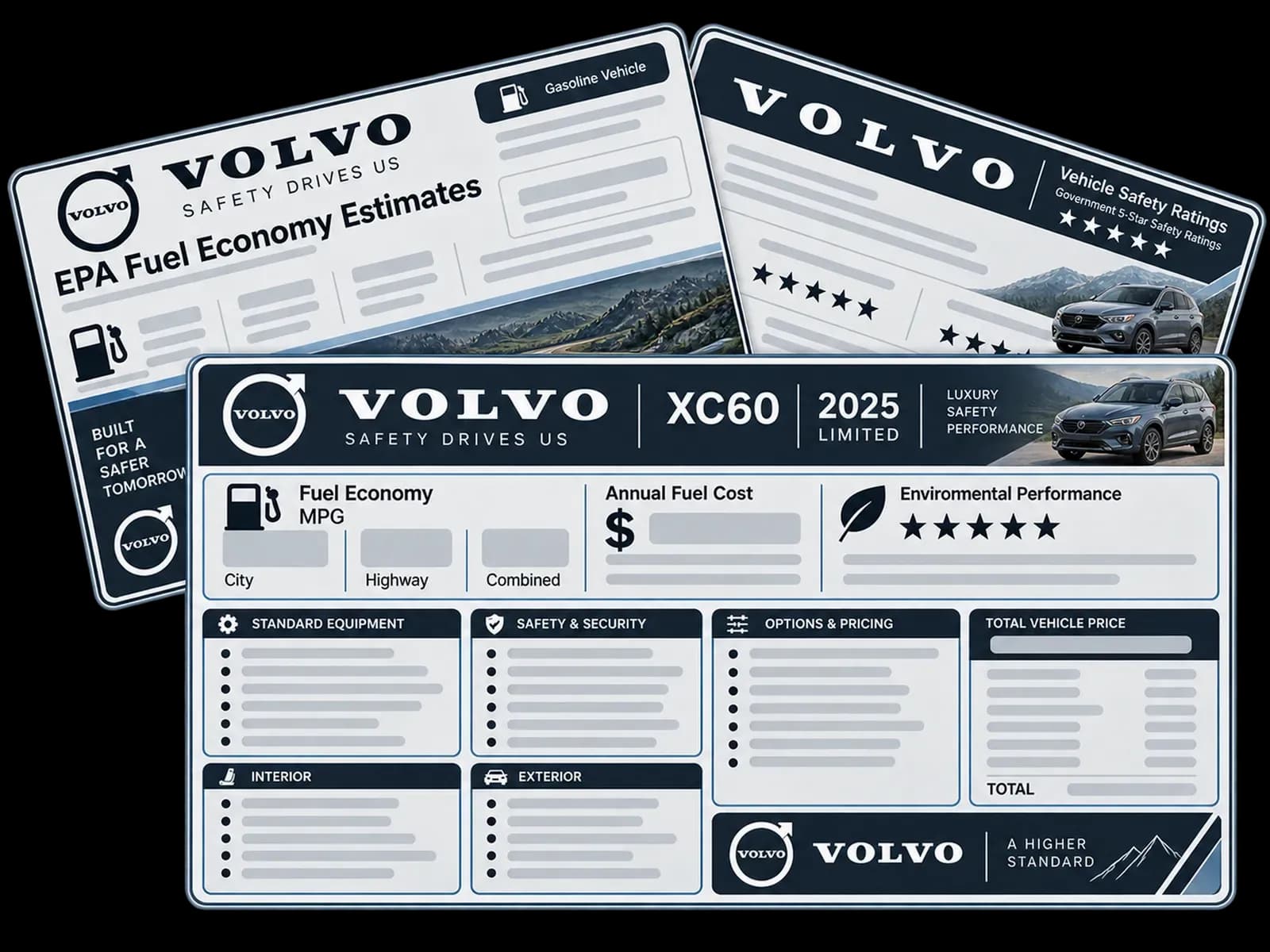
| Window Sticker Access | No | Yes | No |
| Classic VIN Decoding | No | Yes | No |
| Maintenance Guidance | Yes | Yes | No |
| Ownership History | Yes | Yes | Yes |
| Accident History | Yes | Yes | Yes |
| Damage Check | Yes | Yes | Yes |
| Branded Title Check | Yes | Yes | Yes |
| Salvage Title Check | Yes | Yes | Yes |
| Ownership History Map | No | Yes | No |
| Recall Information | Yes | Yes | Yes |
| Support for Heavy-Duty Trucks, ATVs, Trailers, Motorcycles | No | Yes | No |
| Mobile/Desktop App | No | Yes | No |
← Scroll horizontally to see more →
A Real Case: Got Saved From Purchasing a Salvaged Car
Johanna wanted to purchase a used 2007 VOLVO S60 from a seller in Stockholm. Before she paid for the down payment, she decided to decode the VIN and check what’s in the report.
VIN: YV1RH527472603744
Initial Impression
1. Good deal
2. The car is still looking decent
3. Cheap price
4. Never been in an accident
5. Relatively high mileage
6. “Clean” title
Findings
1. Marked as salvage
2. 2 Record(s) of damage are found
3. 2 specific events reported
4. 1 auction record
5. 9 lien or loan record
6. 1 open recall record
Outcome
Johanna decided to call it off and find the other car that matches her needs. A salvaged car is too dangerous to be driven.
Lessons Learnt
1. Examine the vehicle report carefully before buying
2. Beware of cars with salvage records
3. Never trust the seller blindly
Why Our Volvo VIN Check is Trusted?
Our Volvo VIN check provides the key details needed to understand the vehicle better. It covers the essential data such as specifications and market value, along with deeper information like auction history, accident records, service records, and recall updates.
- No sign-up needed
- Real photos from past auctions
- Only costs $19.99 per report
- No expiration date
- Downloadable report
Check the Volvo’s Records Before Buying
FAQs About VIN Check Volvo
Is there a free Volvo VIN check?
Yes, there are free Volvo VIN check tools that can help you view factory specs and open recalls. However, more detailed records, such as accidents and liens, usually require a paid report. Free options are available by clicking on the form above.
How can I check Volvo equipment by VIN?
You can check Volvo equipment by VIN through Volvo-specific decoders. These services decode the 17-character VIN into details about the model, trim, engine, features, recalls, and build information. To check your Volvo equipment by VIN, you can decode the VIN by clicking on the form above.
How do I verify Volvo warranty status using a VIN?
You can check a Volvo’s warranty status with its VIN by using Volvo VIN tools. Since Volvo does not offer a public online warranty lookup on its main site, you can decode the Volvo’s VIN and get the vehicle history report to check the warranty information.
How do I run a Volvo recall check by VIN?
You can run the Volvo recall check by using the Volvo VIN lookup tool and get the vehicle history report. On the report, you can see the vehicle’s recall history, including the dates, causes of recalls, and the status (open/closed).
Can I check Volvo options by VIN?
Yes, you can check Volvo options by VIN by using our service. Most free tools only show general specs, while professional systems can identify factory-installed features, packages, and option codes that are not usually available to the public.
How do I see Volvo specifications by VIN?
You can view Volvo specifications by entering the VIN into free online decoders, Volvo communities, or paid services that offer detailed data. These tools can provide information such as engine type, model year, and build configuration, with some official Volvo resources available for select models.
How does a Volvo VIN check work in Australia?
A Volvo VIN check in Australia is done by entering the 17-digit VIN into a trusted VIN decoder service. You can use our service to check the VIN to get the history report, which will provide details about the car’s accident history, auction records, odometer reading, and more.